
Adhesive-Backed Engraving Plastic: What Buyers Should Check Before Ordering
Adhesive-Backed Engraving Material
Adhesive-Backed Engraving Plastic: What Buyers Should Check Before Ordering
Adding adhesive backing can turn an engraved sheet or finished label into a faster-to-install component, but the sheet material and the adhesive solve different parts of the job. Reliable attachment depends on the installation surface, environment, label size, stress and application method—not simply on whether a release liner is present.
Direct answer: LYSHIRE can supply engraving plastic with optional pressure-sensitive adhesive backing, including a branded 3M 468MP option for suitable industrial applications. Before ordering, buyers should confirm the engraving material, target substrate, surface texture, curvature, temperature, chemical or moisture exposure, processing method and expected service conditions. Physical testing on the actual installation surface is recommended before mass production.
One Product, Three Decisions
The Sheet, Adhesive and Installation Surface Must Work Together
1. Engraving Sheet
Select the correct ABS-based material for CNC or rotary engraving, or the appropriate PMMA/acrylic-based material for CO2 laser processing. Adhesive backing does not change the required machine route.
2. Adhesive System
The adhesive must match the substrate, surface energy, texture, environment and required holding performance. A general-purpose option and a branded industrial option should not be treated as identical.
3. Installation Surface
Smooth clean metal behaves differently from powder coating, textured paint, glass, acrylic, PP, PE, silicone, oily machinery or a curved housing. The actual surface is part of the specification.
Available Order Routes
Which Backing Option Should a Buyer Request?
| Order option | When it may be suitable | What still needs confirmation |
|---|---|---|
| No adhesive backing | The fabricator will select adhesive locally, use screws or mechanical fittings, or install on several unknown surfaces. | Final mounting method, drilling and fabrication details. |
| General-purpose pressure-sensitive backing | Cost-sensitive indoor labels on a known, smooth and clean surface after approval testing. | Substrate, texture, temperature, label size, service conditions and sample result. |
| 3M 468MP adhesive transfer tape | Industrial nameplates and labels where a documented 200MP acrylic adhesive is appropriate, particularly on metal and high-surface-energy plastics. | Actual substrate, surface preparation, stress, environment and application validation. |
| Project-specific adhesive | Low-surface-energy plastic, strong curvature, rough coating, high stress or another demanding installation condition. | A separate adhesive evaluation; the standard backing should not be assumed suitable. |
About 3M 468MP
Why It Is Commonly Requested for Industrial Nameplates
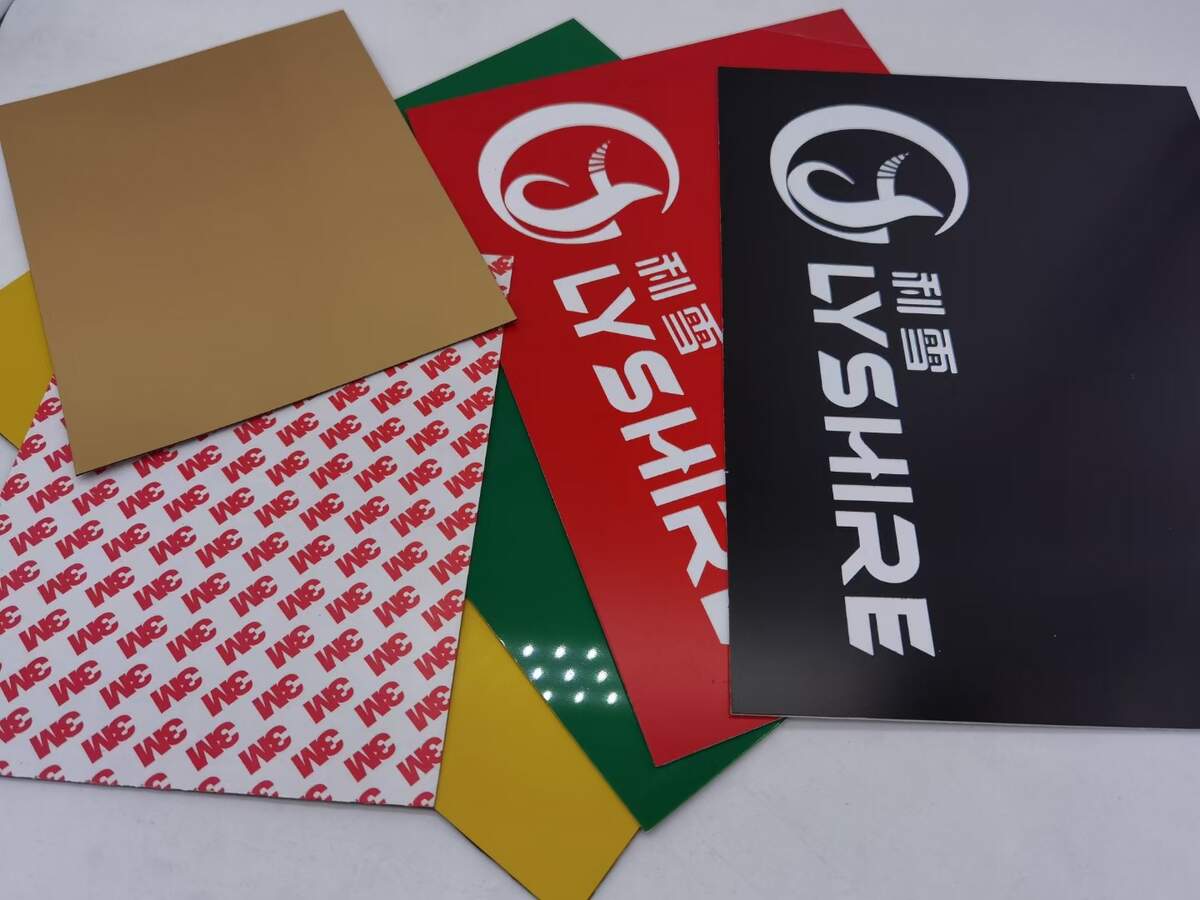
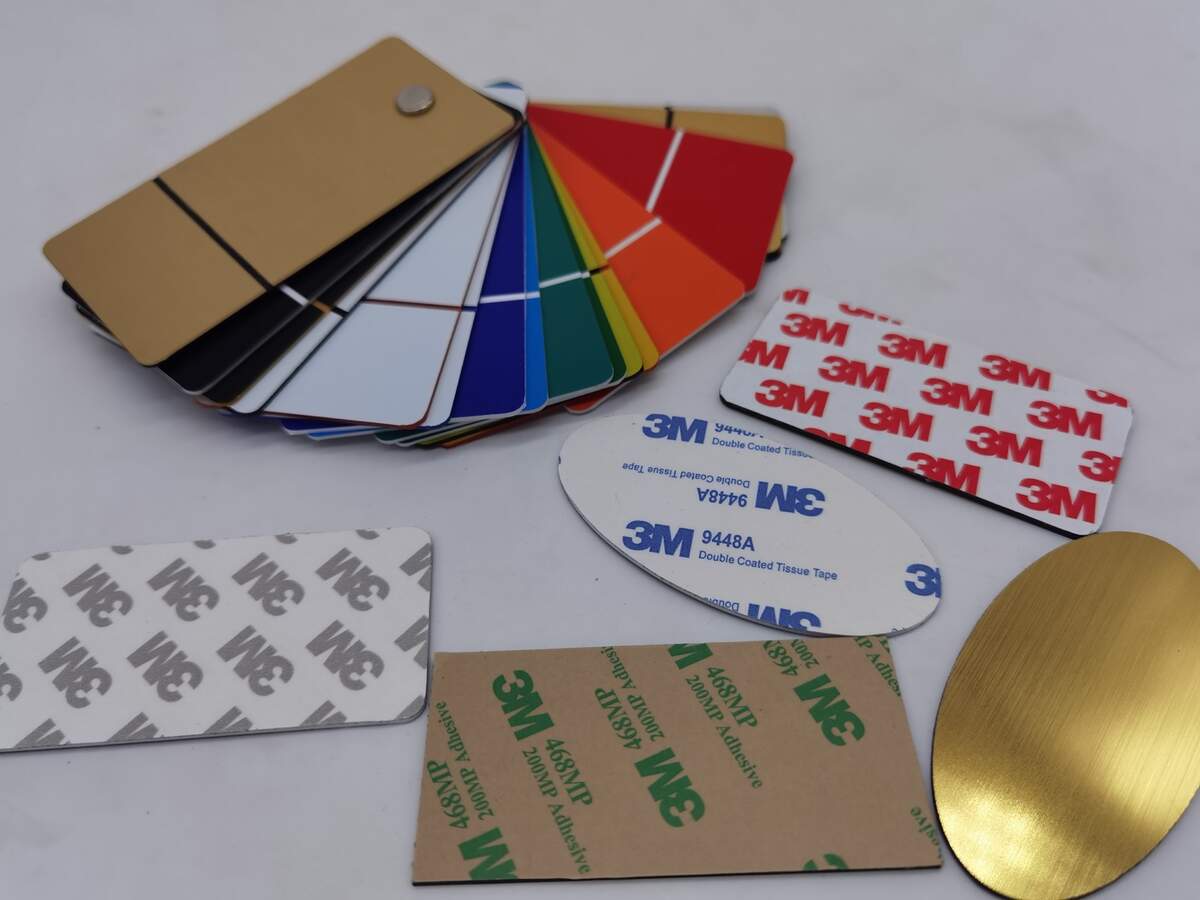
3M describes 468MP as a 5.2 mil (approximately 0.13 mm) 200MP acrylic adhesive transfer tape supplied on a tan polycoated kraft-paper liner. It is intended for industrial bonding and is listed for applications that include metal nameplates, rating plates and graphic overlays.
The product is designed for strong adhesion to metals and high-surface-energy plastics. Its thicker adhesive caliper can improve contact on slight surface texture or irregularity. This does not mean that every painted, rough or low-surface-energy surface is automatically compatible.
LYSHIRE treats 3M 468MP as an optional order specification, not as a universal default and not as a promise that a finished label will bond to every substrate. Buyers should approve the complete material-and-adhesive construction on the actual application surface.
Adhesive Is Not a Certification
Using a named adhesive does not automatically make the complete label UL-listed, weatherproof, chemically resistant or suitable for a regulated application. Any required system certification must cover the relevant facestock, adhesive, printing or engraving, substrate and service conditions.
Surface Compatibility
What Installation Surfaces Require Extra Attention?
| Target surface | Practical guidance | Buyer action |
|---|---|---|
| Smooth metal, glass or acrylic | Often a practical starting point for pressure-sensitive nameplate attachment when clean, dry and suitable for the selected adhesive. | Confirm surface treatment and run a representative test. |
| Powder-coated or painted metal | Performance can vary with coating chemistry, texture and cure condition even when the base material is metal. | Test the actual coating, not an uncoated metal substitute. |
| Slightly textured surface | A thicker transfer adhesive may improve contact, but deep texture reduces effective bonding area. | Evaluate edge lift and long-term contact after pressure application. |
| PP, PE, silicone or other low-surface-energy material | Standard high-surface-energy adhesive systems may provide inadequate adhesion. | Request a project-specific adhesive review; do not assume 468MP is the correct choice. |
| Curved or flexible housing | The rigid engraving label may create continuous peel stress that encourages edge lifting. | Confirm radius, label size, thickness and whether mechanical fixation or a different material is required. |
| Oily, dusty, wet or contaminated surface | Contamination prevents reliable adhesive-to-surface contact. | Define a safe cleaning and preparation procedure before installation. |
Installation Method
Good Adhesive Still Requires Good Application
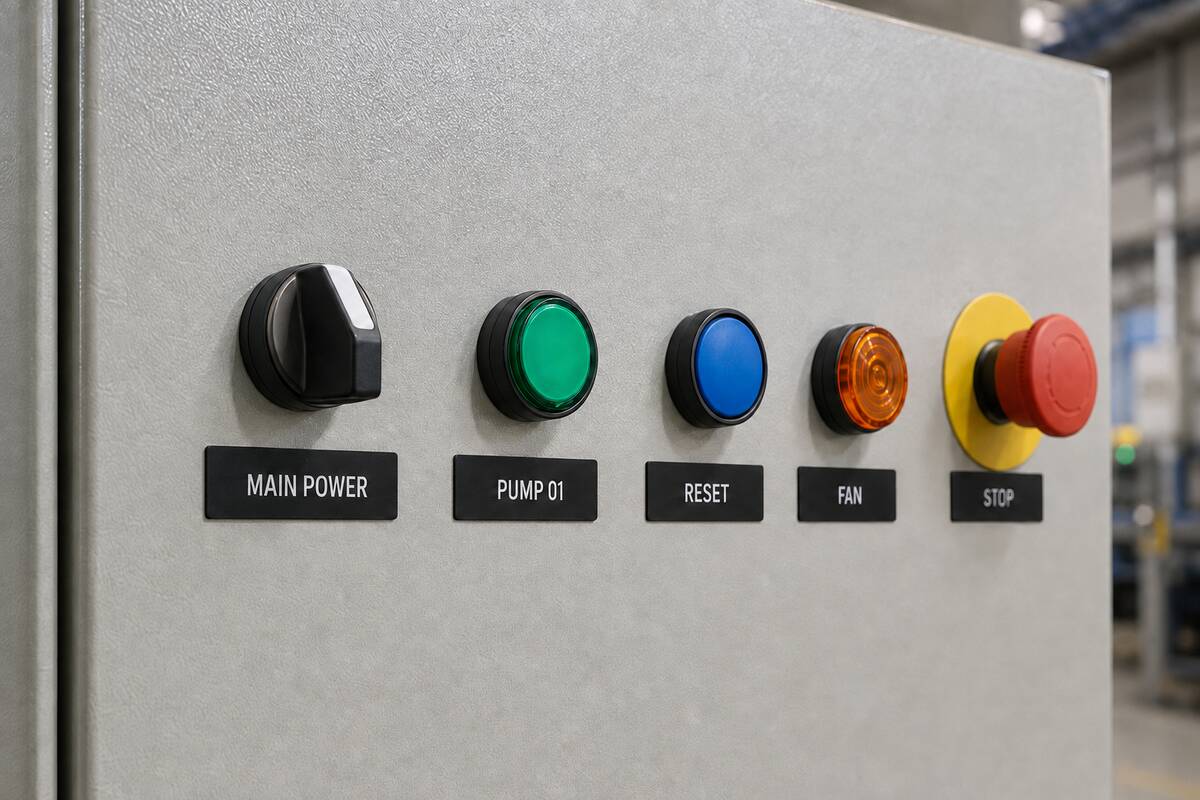
- Identify the substrate: record the exact coating or plastic, not only “metal” or “plastic.”
- Test first: use a production-representative label on the actual installation surface.
- Prepare the surface: it should be clean, dry and free from oil, dust, release agent and condensation.
- Avoid touching the adhesive: peel the liner only when ready to position the part.
- Apply even pressure: full adhesive contact is more important than simply placing the label on the surface.
- Allow bond build-up: follow the selected adhesive manufacturer's time and temperature guidance before loading or exposing the assembly.
Ordering Checklist
Information LYSHIRE Needs Before Applying Adhesive Backing
- Engraving route: CO2 laser, CNC or rotary engraving.
- Material and structure: ABS or PMMA/acrylic base, face/core colors, two-ply or three-ply.
- Supply format: full 600 × 1200 mm sheet, cut blank or finished engraved label.
- Final dimensions: label length, width, thickness, corner radius and hole requirements, if any.
- Target substrate: exact metal, coating, glass or plastic and its surface texture.
- Installation geometry: flat or curved surface, vertical or horizontal orientation and possible edge stress.
- Environment: indoor or outdoor exposure, service temperature, moisture, cleaning agents, oil or chemicals.
- Adhesive preference: general-purpose backing, 3M 468MP or project-specific review.
- Approval method: sample test, drawing, application photo and required customer or project standard.
Processing Considerations
How Backing Affects Engraving and Cutting
Adhesive-backed material can be supplied as a full sheet for customer fabrication or as finished labels produced by LYSHIRE. The release liner normally remains in place during handling and should stay intact until installation.
For CO2 laser cutting, the plastic, adhesive layer and release liner form one processing stack. Residue, edge quality, extraction and liner behavior must therefore be checked with the selected sheet and machine. Do not assume that an adhesive is laser-compatible only because the PMMA engraving sheet is laserable. For CNC or rotary fabrication, depth control, tool condition and support should protect the liner and maintain clean finished edges.
Buyers who need ready-to-install parts can provide CAD, AI or PDF artwork together with fixed or variable data. LYSHIRE can review cut-to-size production, holes, rounded corners, special shapes, engraving and adhesive application through the custom application service. For material selection, compare the engraving sheet structure system and laser engraving sheet range.
Troubleshooting
What Common Adhesive Failures Usually Indicate
| Edge lifting | The surface may be textured or curved, pressure may be insufficient, the label may be too rigid for the radius, or the adhesive may not match the substrate. |
| Label releases soon after installation | Check contamination, surface energy, low application temperature, incomplete contact and whether the part was loaded before the bond developed. |
| Adhesive holds to the label but not the panel | The installation surface or coating is the likely mismatch and should be tested with a more suitable adhesive system. |
| Bubbles or uneven contact | The surface may not be flat, pressure may be uneven, or the label may have been repositioned after initial contact. |
| Laser-cut edge residue | The adhesive-and-liner stack may need different settings or may be unsuitable for the intended laser process; extraction and material compatibility should be reviewed. |
Frequently Asked Questions
Adhesive-Backed Engraving Plastic FAQ
Can LYSHIRE add adhesive backing to engraving plastic sheets?
Yes. Optional pressure-sensitive adhesive backing can be reviewed for full sheets, cut blanks or finished labels. The correct option depends on the material, target surface, processing method and service conditions.
Is 3M 468MP available?
Yes. 3M 468MP can be specified as an optional branded adhesive-transfer-tape route for suitable orders. It is commonly used for industrial nameplate attachment to metals and high-surface-energy plastics, subject to application testing.
Will adhesive-backed engraving plastic stick to every surface?
No. Adhesion varies with surface energy, coating, texture, cleanliness, curvature, temperature, moisture, chemicals and stress. PP, PE, silicone, rough coatings and strongly curved surfaces require special review.
Can adhesive-backed engraving plastic be laser cut?
The PMMA/acrylic laser sheet, adhesive and release liner must be evaluated as a complete processing stack. Test cutting, extraction, residue and edge quality before production; do not assume every adhesive is suitable for laser processing.
Should buyers order full sheets or finished adhesive-backed labels?
Either route is possible. Full sheets suit fabricators who will engrave and cut locally. Finished labels may include engraving, variable data, holes, rounded corners, special shapes and adhesive application after artwork and requirements are reviewed.
What should be included in an adhesive-backed sheet inquiry?
Provide the engraving process, material, colors, thickness, sheet or label size, quantity, target surface, installation geometry, environment, adhesive preference, artwork and delivery country.
Sample and Adhesive Review
Confirm the Complete Label Construction Before Production
Send LYSHIRE your engraving process, label or sheet dimensions, target substrate, installation photo, service environment, quantity and adhesive preference. Our team can recommend the correct engraving-material route, prepare a representative sample and review full-sheet or finished-label supply.
Contact LYSHIRETechnical reference: 3M Adhesive Transfer Tape 468MP product guidance. Product selection and application must follow the adhesive manufacturer's current technical instructions and the buyer's validation on the actual substrate.